About Kids Cooking Shop
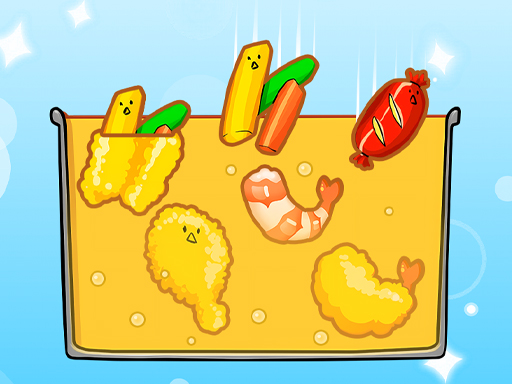
In Kids Cooking Shop, a little street food stand serves animals. Imagine looking up from a dish to find another hungry customer at the counter. The menu is only part of what you have to pay attention to. You also need to read the order, handle the steps for preparing it and finish serving before letting the next task take over your attention. Between orders and mini challenges, the game gives you a chance to improve or decorate the stand.
An order is a small sequence
Read what the customer wants
Start by looking at the order as a whole. Find the part you recognize most readily and identify anything else the dish asks for before you start dragging. If two orders look alike, look for one detail that separates them. Keeping that detail in mind makes it easier to come back to the right dish after you have looked at the preparation area.
Make what you read
Drag an item to perform the action the current dish needs. Work through its steps and see which part of the screen is waiting for your next move. If a dish needs more than one action, check that the step you just did produced the expected change before you move on. This is particularly useful with a dish you have only made once. You may recognize the ingredients and still have to stop and remember the order in which the game wants you to use them.
Serve it and reset your attention
Once the dish is ready, finish serving the customer. That is the easiest point to glance up and read another order clearly. If your attention is already on the next customer when you still need to finish handing over the current dish, you may start preparing the second order from memory. Give yourself a moment to recognize the new request directly before moving back to the work area.
Follow an animal's order all the way to service
Choose a customer whose request is easy to read. Find the main item and any extra part before moving ingredients. If the prompt shows a snack with a topping, choose the snack and drag the topping only to the part the preparation step highlights. Check what the order picture shows after each action. Finish the requested steps before dragging the prepared food to the animal. Wait for the game to accept it and move to the next request. The first order teaches you the difference between leaving an ingredient near the food and having the game register it as part of the dish.
When a mini challenge starts, read which action it wants you to perform. If the short task focuses on assembly, use the highlighted assembly step and check its progress instead of assuming it needs the whole service routine. Return to the customer sequence once the challenge ends. The next animal may want a familiar item in a different combination, so check that order before repeating the same drag.
What to do with a growing stand
Shop management gives you something to work on beyond individual orders. Look around between serving jobs and see which upgrades and decorations are available. If you are thinking about a change, decide whether you want something that affects the operation of the shop or a decoration that changes how it looks. Keep track of the choice you made and notice what you see the next time you visit the counter. Decorations are also a way to make the stand feel like your own space after you have repeated the cooking routine.
Try the first few customers with a deliberate pace. Read clearly, drag the object you intend to use, serve the dish and see how the on-screen setup changes. On later orders, you can move more quickly through the part you already know and give the unfamiliar step more time.
Interaction uses dragging for the food, preparation items and serving actions. If the selected item covers another object on a small screen, look at its destination before you start to drag so you can keep the next step in view.
Game credit on GameMonetize · bestgames.com