About Cover Shooting Gun Game
The cover buttons change which side of the scene you are seeing
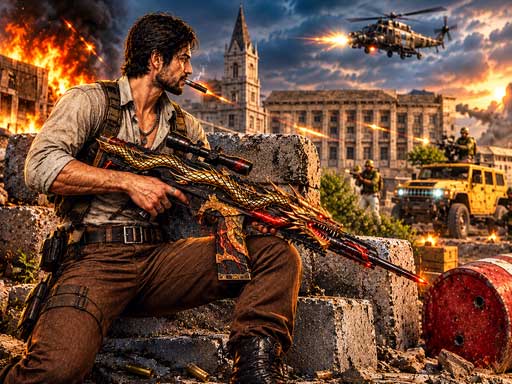
Cover Shooting Gun Game is a mission-based arcade shooter. Use A or D to take cover on the left or right. That change affects what is visible when you use the mouse to aim or fire. It helps to learn the two positions in an early game scene where you can see where the camera goes. Find out what the screen shows immediately after the switch and which portion of the fight you need to look at before pressing another action.
Start a mission by reading what is actually happening in the current scene. If the game presents several enemies at once, pick one you can see clearly and observe what changes when it leaves the view. The other side of cover may show part of the mission you could not see from your first position. Change it for a reason and give yourself time to recognize what you reached. Using both sides in quick succession can make it hard to tell where the camera actually stopped.
Compare left and right cover during the same mission
In one combat scene, look at the threats from the starting side before pressing A for the left cover position. See which part of the scene that position gives you a clear view of. Then use D to compare the right side. Change cover while you are watching where the next target is, not simply because the last shot missed. Use the left mouse button to fire once you can see the target from the new position. If the switch exposes a new target, make that the reason to stay there for the next moment of the encounter.
Give the special action a separate moment
The control guide lists G for a grenade and M for a missile. Read the current interface and use each action when it is available for a visible purpose, such as a group the mission has put into view. Look at the result before changing sides again. The useful comparison is whether you needed the other cover position to see the target or needed the special action to change what happened in the scene. Try one change at a time from the same mission so the two buttons no longer feel like interchangeable responses.
Use the special inputs when the game shows a purpose for them
G is the grenade input. M launches missiles in the game. Read what the interface makes available and look at the current situation before pressing one of them. If a mission already has a clear target you can handle with the regular click, you can keep the other controls in mind for a scene whose layout asks for something different. Try a special action once when the result will be easy to see, then return your attention to the cover and objectives.
A change in the screen can make it difficult to tell which action was completed if several sounds or effects start together. Look at the part of the scene where you expected the effect. Then see whether the next target or objective became visible. This habit gives you information after a strong game action as well as after a small one. Pausing with P can help if you need to familiarize yourself with the controls before trying another scene.
Give a failed mission one clear thing to change
If you lose track of the actions in a later mission, remember what was on screen when you last felt in control. It might be the left view before a switch. It might be the moment after a shot or a special input. On the next attempt, compare the same part and check which side gives you the useful view when you reach it again. Give the result a short look before continuing. It’s easier to improve a mission when you can name one action that worked and one that remains unclear.
Use the left mouse button for the normal firing action, A/D for the two cover positions, G and M for their separate special actions, and P to pause. Keep your view on the game prompts as a new mission opens. Its scenes can change the order in which those inputs are useful even though the controls remain the same.
Game credit on GameMonetize · SKY HIGH STUDIO